
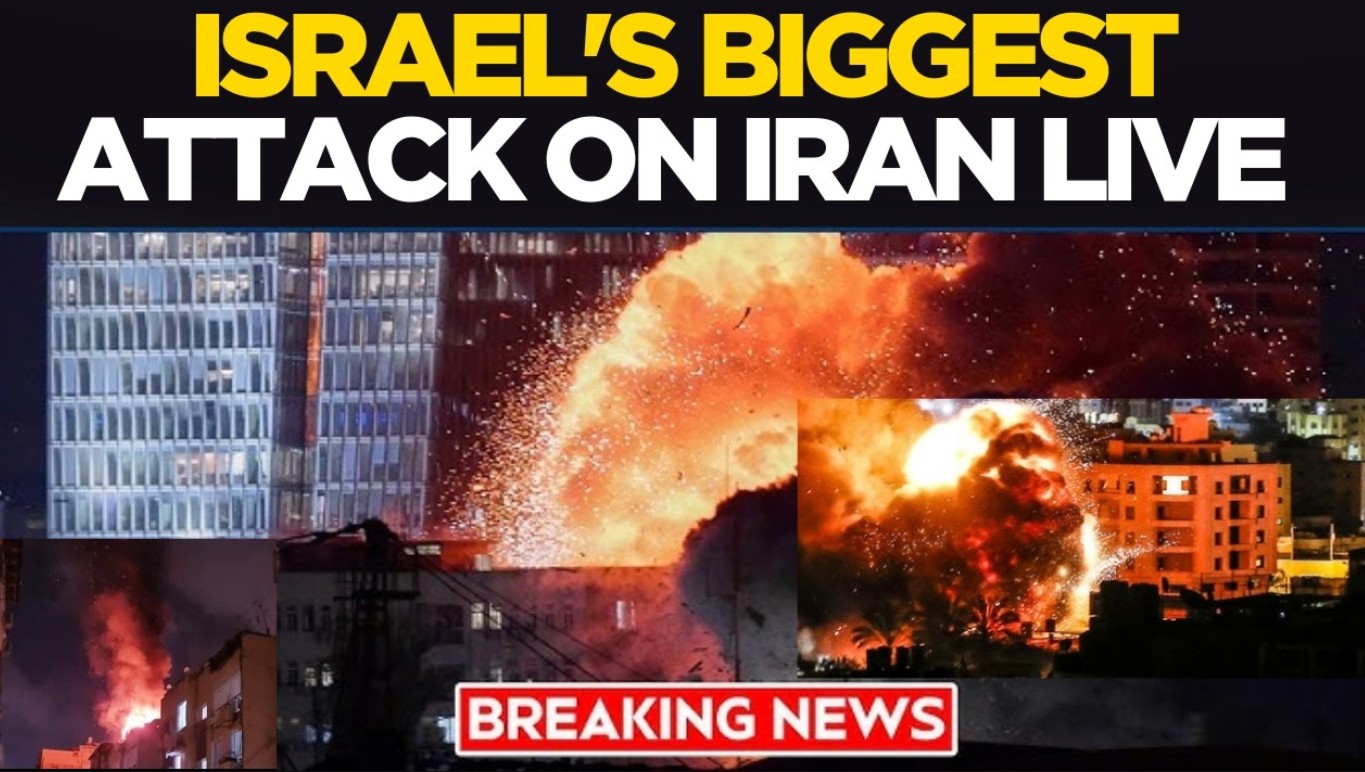
The world is watching closely as Israel attacks Iran in a major escalation that is reshaping the political and military landscape of the Middle East. Today’s breaking news confirms fresh Israeli strikes on Iranian territory, raising fears of a prolonged and devastating regional conflict.
Israel Attacks Iran – What Happened Today?
In today’s breaking developments, Israel attacks Iran through a series of carefully planned airstrikes targeting strategic locations. Reports indicate that Israeli fighter jets hit:
- Military bases
- Missile development centers
- Command and control facilities
- Key infrastructure sites
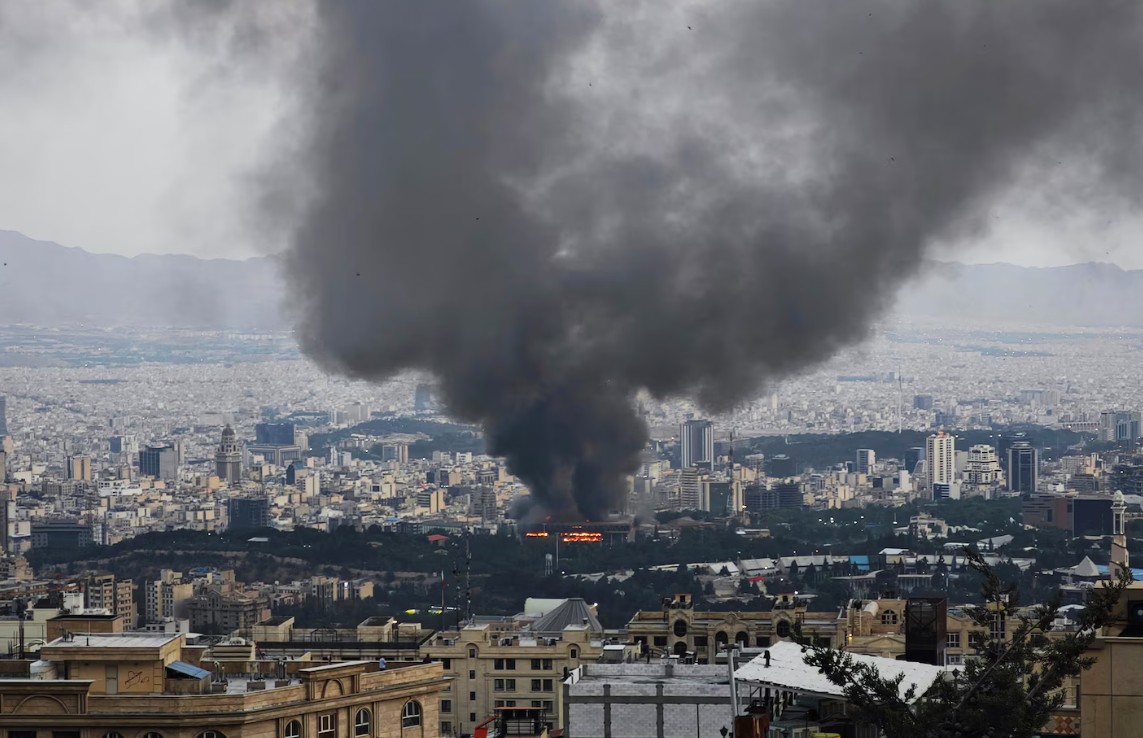
Explosions were reported in multiple areas, including parts of Tehran and other high-value regions. The attacks appear to be part of an ongoing military campaign rather than a one-time strike.
Defense analysts suggest that Israel is focusing on weakening Iran’s long-term military capabilities, especially its missile systems and potential nuclear facilities.
Background of the Conflict
To fully understand why Israel attacks Iran, it is important to look at the history behind this conflict.
For years, tensions between Israel and Iran have been growing due to:
- Iran’s nuclear ambitions
- Israel’s concerns about national security
- Proxy conflicts in Syria, Lebanon, and Gaza
- Iran’s support for armed groups hostile to Israel
The situation reached a critical point in early 2026 when direct military confrontation began. Since then, both sides have exchanged multiple attacks, pushing the region closer to full-scale war.
Why Israel Attacks Iran
- Nuclear Threat Concerns Israel has repeatedly warned that Iran is getting closer to developing nuclear weapons. Israeli officials see this as an existential threat.
- Missile Development Iran has developed advanced missile systems capable of reaching Israeli territory. Destroying these systems is a top priority for Israel.
- Regional Influence Iran has expanded its influence across the Middle East through allied groups. Israel views this as a direct threat to its security.
- Preemptive Defense Strategy Israel often follows a doctrine of striking first to prevent larger threats. The current attacks are seen as part of this strategy.
Iran’s Response to Israeli Attacks
Iran has not remained silent. Following the latest developments where Israel attacks Iran, Iranian forces have launched counterattacks.
- Key Iranian Responses:
- Missile strikes targeting Israeli cities
- Activation of regional allies
- Strong political statements rejecting peace talks
- Military mobilization across key regions
Iran has made it clear that it will continue to defend its territory and respond to any aggression.
Casualties and Human Impact
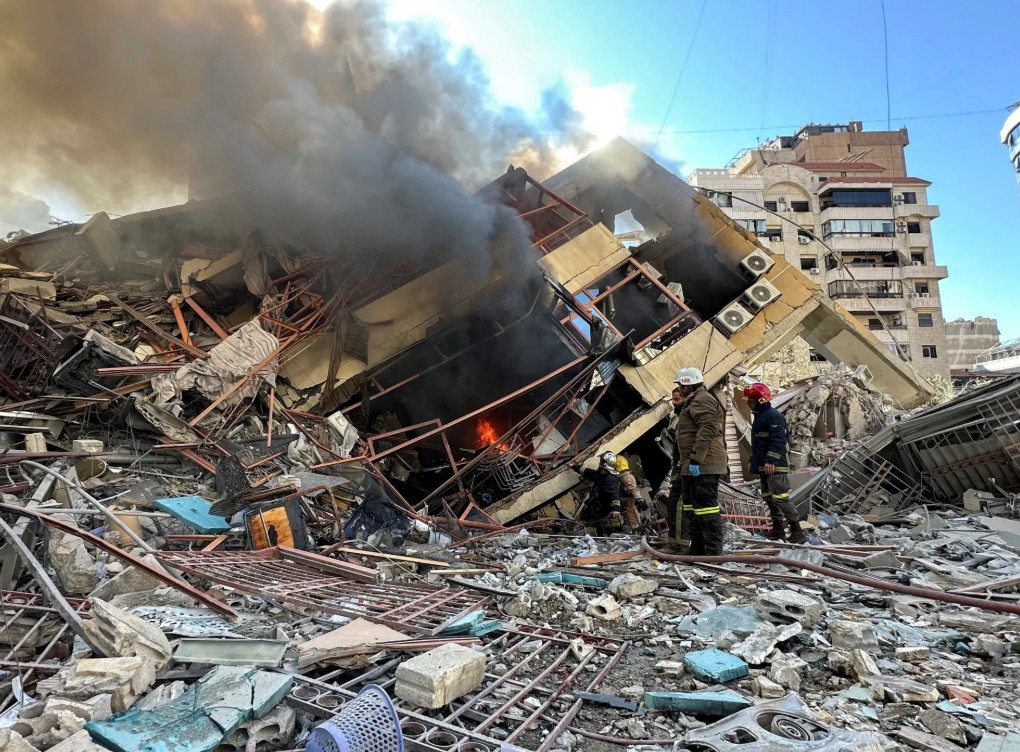
The human cost of this conflict is rising rapidly. While exact numbers are still being confirmed, reports indicate:
In Iran:
- Thousands of casualties, including civilians
- Damage to residential areas
- Disruption of basic services
In Israel:
- Civilian injuries from missile attacks
- Damage to infrastructure
- Increased pressure on emergency services
Families on both sides are facing fear, uncertainty, and loss. The humanitarian situation is becoming increasingly serious.
Global Impact of Israel Attacks Iran
The effects of Israeel attacks Iran are not limited to the Middle East. This conflict is having a global impact:
1. Oil Prices Rising
The Middle East is a major oil-producing region. Any conflict here affects global supply. Prices have already started increasing.
2. Trade Disruptions
Important shipping routes, including the Strait of Hormuz, are under threat. This impacts global trade and supply chains.
3. Political Tensions
Countries around the world are taking sides or calling for peace, increasing diplomatic tensions.
4. Economic Uncertainty
Markets are reacting negatively, with investors concerned about long-term instability.
Role of the United States and Other Countries
The United States plays a significant role in this conflict. While its exact involvement varies, it is seen as a key ally of Israeel.
Other countries are also reacting:
- Some support Israeel’s actions
- Others criticize the escalation
- Many are calling for immediate ceasefire
International organizations are urging both sides to avoid further escalation and return to negotiations.
Could This Turn Into a Larger War?
One of the biggest concerns right now is whether this conflict will expand.
Experts warn that if Israeel attacks Iran continue and Iran responds aggressively, it could lead to:
- A wider regional war
- Involvement of multiple countries
- Increased global instability
The risk is real, and the situation remains highly unpredictable.
Impact on Civilians and Daily Life
While military strategies dominate headlines, the real impact is felt by ordinary people.
In Conflict Zones:
- People are fleeing their homes
- Schools and businesses are closing
- Access to food and healthcare is becoming limited
Globally:
- Rising fuel prices
- Increased cost of living
- Economic uncertainty affecting jobs and markets
Media Coverage and Information Challenges
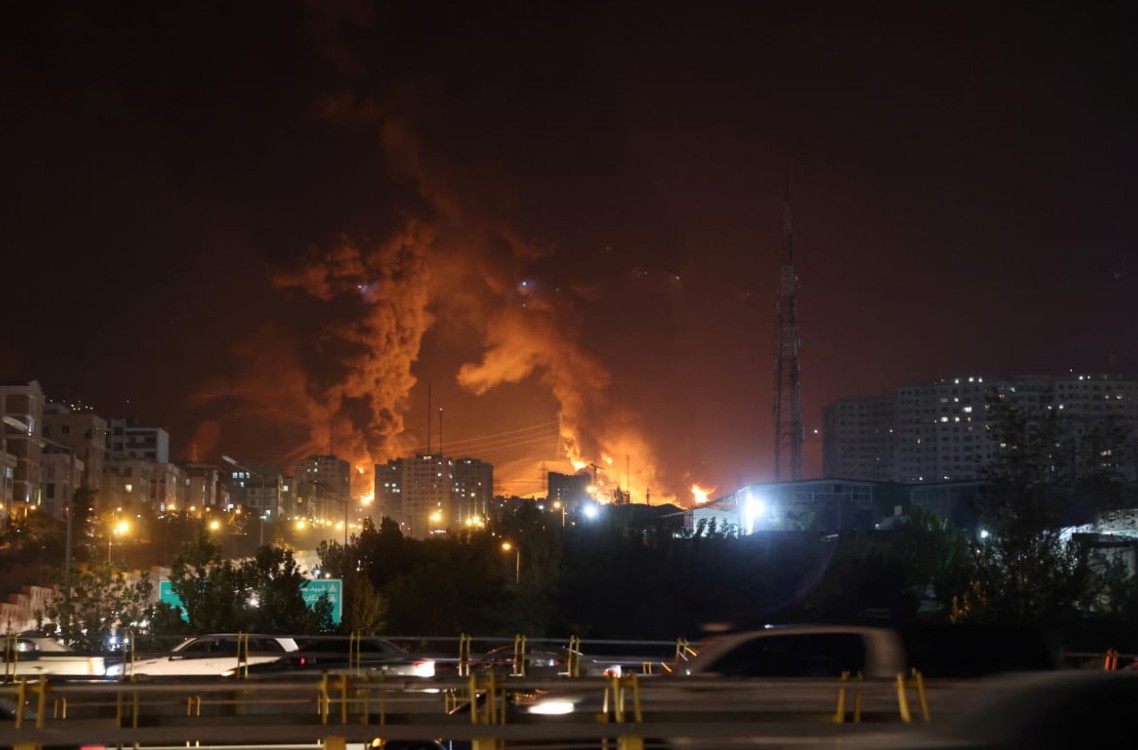
As Israeel attacks Iran dominates global news, misinformation is also spreading.
It is important to rely on:
- Verified news sources
- Official government statements
- Trusted international organizations
Accurate information is critical in times of crisis.
What Happens Next?
The future remains uncertain, but several possibilities exist:
1. Continued Military Conflict
Both sides may continue attacks, leading to prolonged war.
2. Diplomatic Efforts
International pressure may push for negotiations and ceasefire.
3. Escalation
More countries could become involved, increasing the scale of conflict.
4. Temporary Pause
There could be short-term ceasefires, but tensions will likely remain.
Expert Analysis
Security experts believe that the current situation is one of the most dangerous in recent history.
Key insights include:
- Both sides are prepared for long-term conflict
- Strategic targets are being carefully selected
- The risk of miscalculation is high
Analysts warn that even a small mistake could trigger a much larger crisis.
How This Affects the Future of the Middle East
The long-term impact of Israeel attacks Iran could reshape the entire region.
Possible outcomes:
- New alliances forming
- Shifts in power balance
- Increased military spending
- Greater instability
This conflict may define the geopolitical future of the Middle East for years to come.
Conclusion:
The latest developments confirm that Israeel attacks Iran is one of the most critical breaking news stories of 2026. With ongoing strikes, rising casualties, and global consequences, the situation is extremely serious.
The world continues to watch as events unfold. Whether this leads to peace or further escalation remains to be seen.
For now, one thing is clear: this conflict is far from over.
Read More Please Visit Our Website Click Here