
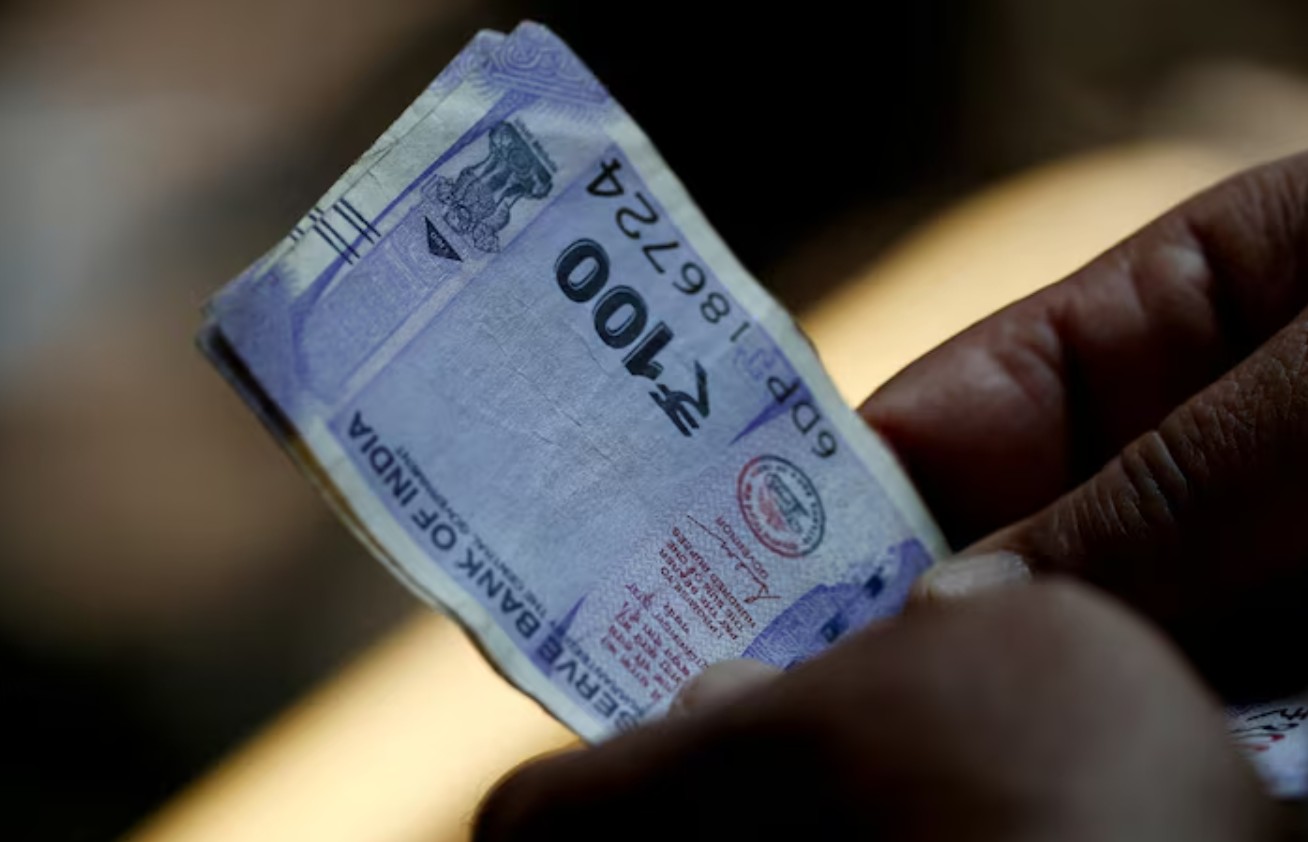
The Indian Rupee (INR) has as of late hit an untouched low against the US Dollar, denoting a critical achievement in the money markets. As the rupee slides to new lows, it is fundamental to comprehend the elements affecting its presentation and how late changes, for example, the new RBI Lead representative’s arrangement, could shape future money related approach. This emotional cash shift isn’t just influencing exchange and venture yet in addition affecting the more extensive Indian economy.
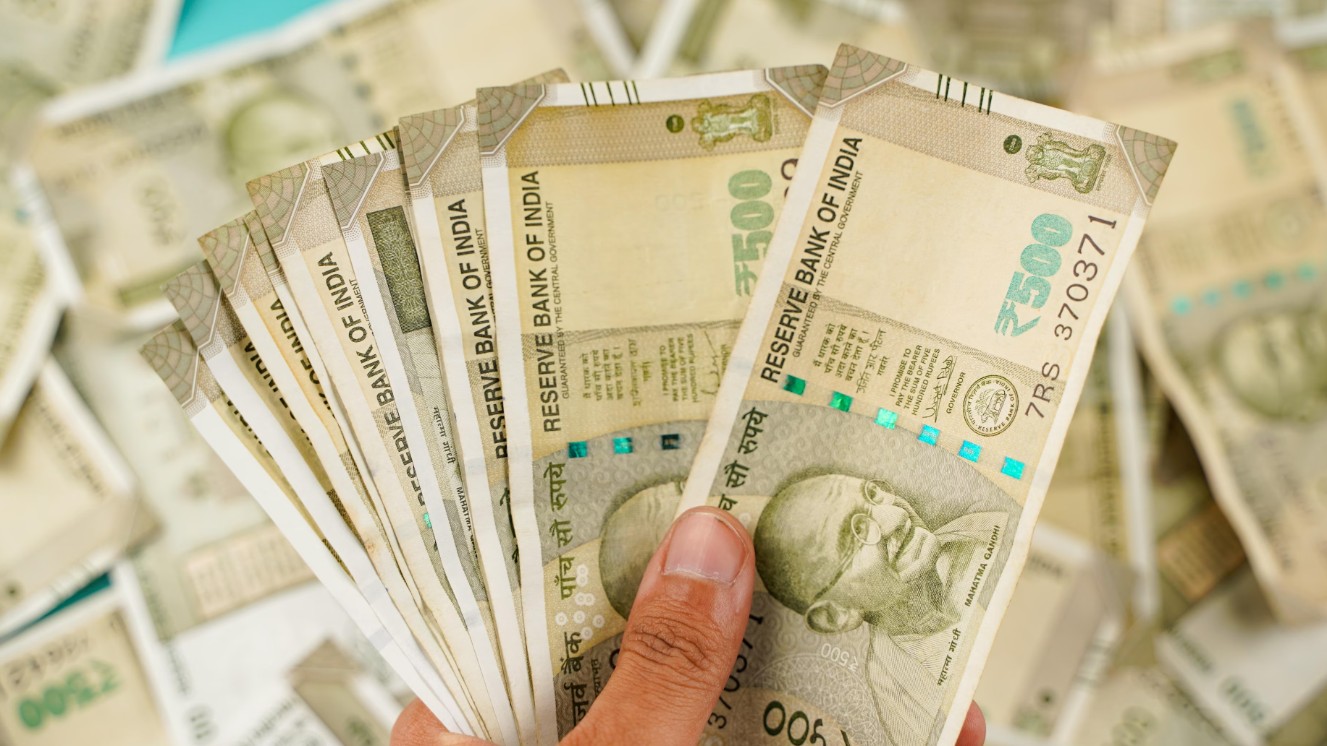
How the Indian Rupee is Performing Against the US Dollar
The Indian Rupee has been on a descending direction for quite a while. As of late, it penetrated an untouched low against the US Dollar, with the ongoing swapping scale remaining at roughly 1 US Dollar to Indian Rupee drifting around 83.25. This debilitating has provoked financial backers and business analysts the same to analyze the future heading of the cash.
For some, the conversion scale of the US Dollar to Indian Rupee is a critical sign of the soundness of the Indian economy. Monetary factors like expansion, financial approach, and exchange adjusts all impact the USD to Indian Rupee rate. With the Indian Rupee arriving at a noteworthy low, market specialists are currently directing their concentration toward what this will mean for global exchange and speculation, as well as India’s expansion viewpoint.
Factors Behind the Weakening Indian Rupee
A few variables are adding to the debilitated condition of the Indian Rupee to US Dollar conversion scale. A portion of these are:
1. Global Economic Factors
The strength of the US Dollar itself is a basic variable. A solid US economy frequently prompts a more grounded US Dollar. Also, the Central bank’s loan fee climbs to control expansion have been powering the interest for the American Dollar, which thusly has influenced worldwide cash markets, including India.
2. Domestic Economic Challenges
India’s import/export imbalance has been broadening, fundamentally determined by higher import costs, especially energy costs. As the Indian Rupee to Dollar proportion debilitates, the expense of imports rises, adding to inflationary tensions locally.
3. Interest Rate Speculations
Late hypotheses around the Save Bank of India’s (RBI) financial approach and potential rate slices have added to the debilitating of the rupee. As loan costs assume a huge part in the cash showcases, any potential rate decrease could additionally compound the money’s decay.
4. Shift in RBI Leadership
The arrangement of the new RBI Lead representative has raised assumptions that an adjustment of financial strategy may be not too far off. Hypotheses are that a milder position on financing costs could be executed, which could prompt further unpredictability in the Indian Rupee’s presentation against significant monetary standards like the Indian Rupee to American Dollar.
What Does This Mean for International Trade?
The frail Indian Rupee influences the two organizations and purchasers. From one perspective, it benefits exporters by making Indian products more reasonable for unfamiliar purchasers. Be that as it may, on the other side, imports become more costly, expanding the expense of unfamiliar labor and products. The India Rupee to USD rate additionally influences India’s general exchange balance and unfamiliar trade saves.
For organizations participated in worldwide exchange, it’s fundamental to appropriately figure out the Indian Rupee to USD developments and plan. This implies taking on supporting methodologies to safeguard against unfriendly cash developments and taking into account substitute inventory network answers for alleviate cost increments.
Impact on Foreign Investments in India
The feeble Indian Rupee can likewise make India a more alluring objective for unfamiliar financial backers. As the Indian Rupee to USD drops, unfamiliar capital can be put resources into Indian resources at a better swapping scale. For unfamiliar financial backers, this might offer more significant yields on their interests in India when changed back over completely to their home money. Notwithstanding, these open doors accompany inborn dangers, and financial backers should screen money developments and monetary circumstances cautiously.

The Future Outlook: Rate Cuts and Policy Shifts
One of the significant impetuses for the rupee’s present status is hypothesis encompassing the RBI’s strategy choices under the new lead representative. With inflationary tensions and monetary stoppages influencing the two India and the worldwide economy, there are expanding requires the RBI to bring down loan costs trying to help development.
A potential rate slice could offer a help to borrowers and organizations, however it could likewise prompt further deterioration of the Indian Rupee. In such a situation, the dollar rate in India could increase much higher, moving the Indian government to settle the cash.
Will a Rate Cut Help Stabilize the Rupee?
Financial specialists and market watchers are separated on whether a rate cut by the RBI will balance out the rupee or lead to additional deterioration. A rate cut would probably bring down security yields, making Indian resources less appealing to unfamiliar financial backers, which could additionally hurt the India Rs to USD conversion scale.
In any case, a lower loan fee could support homegrown utilization and speculation, possibly offering some relief from the rupee’s decay. The full effect of these moves will rely upon both homegrown monetary approaches and worldwide financial circumstances.
Strategies for Protecting Your Business from Currency Fluctuations
For organizations presented to money vacillations, it is fundamental to oversee gambles. The following are a couple of methodologies:
- Supporting with Forward Agreements: These agreements permit organizations to secure in a future conversion standard, safeguarding against horrible cash developments.
- Enhancement: Organizations can broaden their portfolios to incorporate resources that are less delicate to cash changes.
- Obtaining and Assembling Changes: Organizations can investigate obtaining unrefined components from nations with positive trade rates to lessen costs.
Conclusion
The new devaluation of the Indian Rupee to record lows against the US Dollar flags a pivotal second for India’s economy. With rising worries about expansion and the impending approach changes under the new RBI Lead representative, the eventual fate of the Indian Rupee to USD conversion standard remaining parts questionable. While the Indian Rupee to American Dollar proportion has caused concern, the reaction from India’s national bank, alongside the worldwide monetary climate, will assume a definitive part in deciding the cash’s bearing.
FAQs
- What is the current exchange rate for USD to INR?
o The conversion standard for USD to INR as of December 2024 stands at roughly 83.25 INR per US Dollar. - Why is the Indian Rupee weakening against the US Dollar?
o Several factors add to the debilitating of the Indian Rupee, including worldwide financial tensions, a broadening import/export imbalance, and hypothesis around loan fee cuts by the RBI. - What is the effect of a weak Indian Rupee on imports?
o A feeble Indian Rupee makes imports more costly, prompting inflated costs for labor and products brought into India. - How can businesses hedge against currency fluctuations?
o Businesses can utilize monetary instruments like forward agreements, enhance their ventures, and change their inventory chains to relieve the dangers presented by cash variances.
Stay updated with the latest financial trends and news at Update Orbit.